A weak shower or slow-filling sink can make everyday chores frustrating. With a private well, low water pressure may come from the pump, pressure tank, filters, or a leak somewhere in the plumbing. A few observations can help narrow down the cause, but some checks involve electricity or pressurized equipment and should be left to a professional. Start by noting when the problem began, whether it affects every faucet, and whether you hear unusual pump sounds.
Check the Pressure Pattern
First, see whether low pressure affects the whole house or just one fixture. If only one faucet or shower is weak, the problem may be a clogged aerator, showerhead, or local shutoff valve. If several fixtures are affected, the cause is more likely near the well system or in a main supply line.
Notice whether pressure stays low or rises and falls. Pressure that drops when multiple fixtures run may point to a system that cannot keep up with demand. Cycling pressure, sputtering taps, or a pump that repeatedly starts and stops can offer useful clues. Write down what you notice so you can describe it clearly when arranging service.
Pump and Pressure Tank Problems
A well pump moves water from the well into your home. A failing pump, damaged wiring, or a problem with its controls can reduce flow or stop water delivery. Listen for unusual humming, rapid clicking, or a pump that runs for a long time. Do not open electrical panels or handle pump wiring; turn to a qualified professional for those checks.
The pressure tank helps maintain steady pressure between pump cycles. A worn bladder, incorrect air charge, or other tank problem can cause pressure swings and frequent pump starts. If taps pulse or the pump cycles often, the tank may need inspection. Avoid adjusting tank pressure without confirming the system’s specifications, since incorrect settings can worsen the problem or damage equipment.
Filters, Valves, and Leaks
A clogged sediment filter or treatment-system cartridge can restrict water flow throughout the home. If pressure fell after a filter became overdue for replacement, check its instructions and replace it only if you can do so safely. Also confirm that accessible shutoff valves are fully open. Never force a stuck valve, and follow the filter maker’s guidance for depressurizing the housing.
Leaks can lower pressure by letting water escape before it reaches fixtures. Look for damp spots, unexplained puddles, water running near the pressure tank, or a meter that continues moving when all taps and water-using appliances are off. A hidden leak may not be visible, so treat persistent pressure loss or a pump that runs continuously as a reason to call for prompt inspection.
Choose the Right Next Step
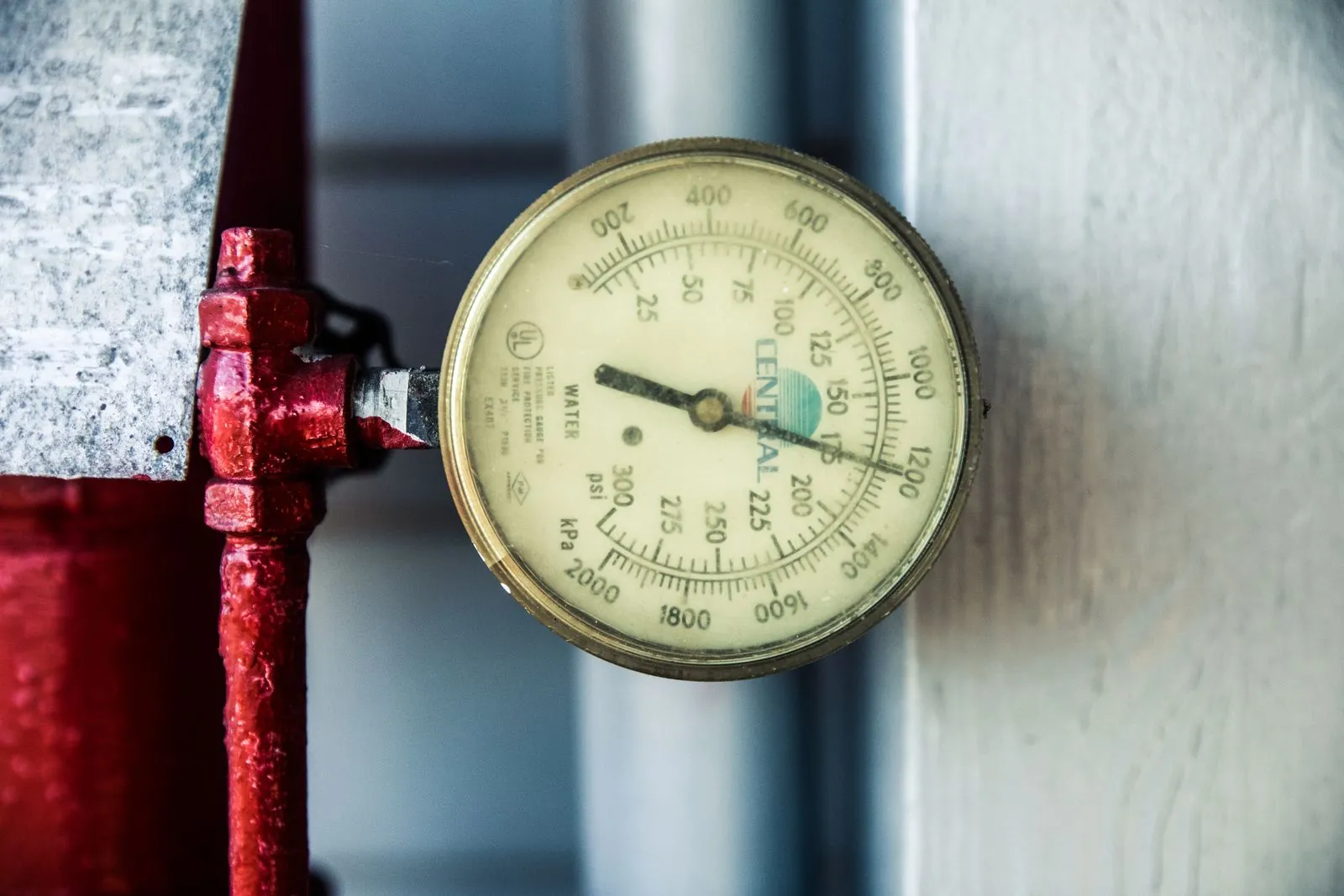
You can safely note the pressure gauge reading if the gauge is visible and easy to reach, check whether the issue affects one fixture or the whole house, and inspect accessible filters and valves. Keep clear of exposed wires, pump controls, and pressurized tank fittings. If you smell burning, see water near electrical equipment, or have no water, stop using the system and seek professional help.
A well professional can test the pump, pressure switch, tank, filters, and plumbing for leaks to identify the actual cause. Cape Fear Wellworks serves Wilmington, NC, and can help assess persistent low pressure. Share when the symptoms started, what fixtures are affected, and any unusual pump behavior to make the visit more efficient.
Low well pressure can come from a simple clogged filter or a more serious pump, tank, or leak issue. Note the symptoms, check only accessible components, and avoid electrical or pressurized repairs. If pressure remains low or the pump behaves unusually, contact a well pump professional to inspect the system and recommend a safe fix.